I was born and raised in San Pietro in Cariano, one of the five historic municipalities of Valpolicella Classica. My father and grandfather, however, are from Castel d'Azzano: my father moved here with my mother in 1994, a year before I was born. But for my family, wine never had geographical borders. My grandfather ran a small shop where wine was just one of many things he sold, and to find labels worth offering his customers, he travelled across central and northern Italy. My father went with him from the age of eight, and grew up learning about grapes and wineries he would never have discovered had he stayed only in Veneto. Neither of them ever studied wine formally — theirs is knowledge built on the ground, a palate trained by a lifetime of tasting and listening to stories behind a counter.
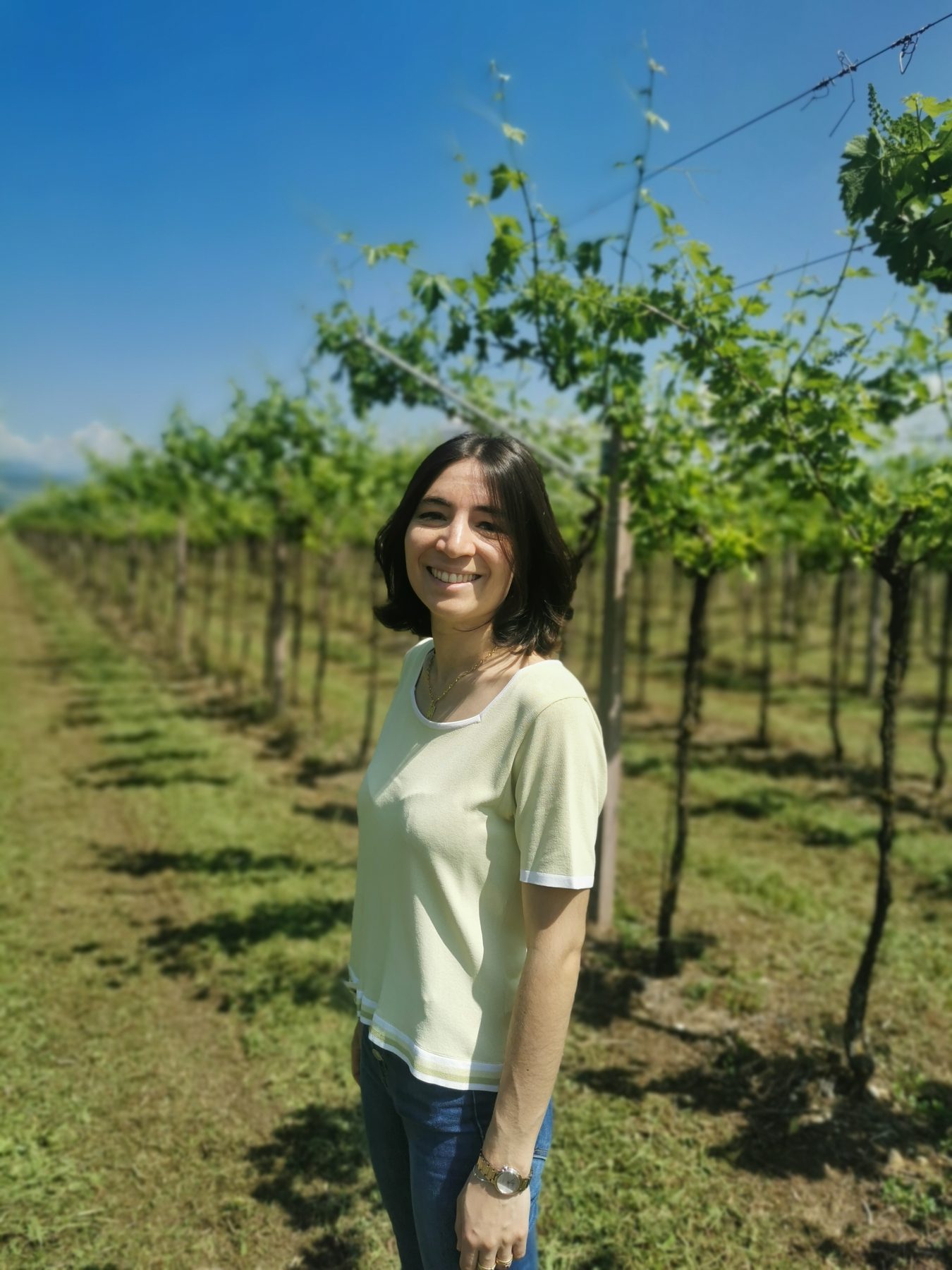
I wanted to walk that same path, but more formally too: in September 2025 I began my sommelier studies, which I will complete at the third level in 2027. To me, wine was never just a drink. It's the most direct way I know to tell the story of a place, a family tradition, a way of doing things passed down through generations. And understanding Italian wine, I've found, is one of the fastest ways to understand Italy itself — a country vast and different from region to region.
I first worked in wine in 2022, as a hostess at Vinitaly. There I met hundreds of people — mostly foreign buyers bringing Italian wine to the world, and producers who had travelled from every corner of Italy. Each of them left me with a piece of their view of this world, of the difficulties facing those who work the land and make wine today. Slowly, those pieces began to form an idea.
I noticed two things, in particular. First: I speak near-fluent English, a language that is genuinely rare in Italy's small wineries — places where working the land comes before speaking to guests. Second: in Valpolicella, without a car, it is nearly impossible to get around. I've known this since I was thirteen and had to learn to find my own way through this territory — it's also why I got my driving licence the moment I legally could.
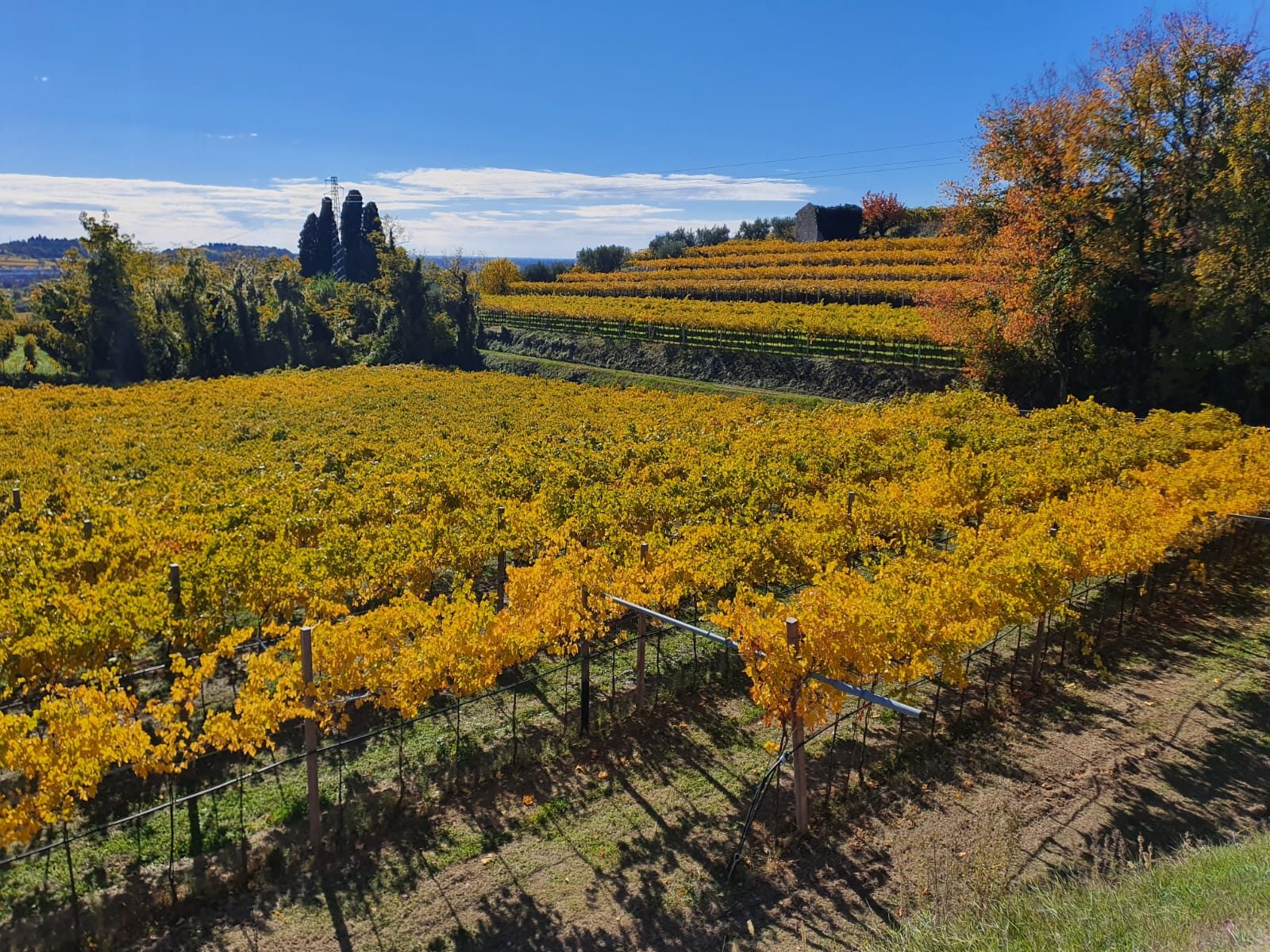
Incontro in Valpolicella grew slowly from there, like a wine ageing in the barrel. At first, I imagined telling the story of the wine myself. Then, in December 2025, I spoke with a local winemaker, who told me something simple and true: no one can tell the story of a wine better than the person who makes it. That's when I understood my real role — to bring people to the cellar door, take care of everything else — the territory, the transport, the small details — and let the winery tell its own story.
"Behind every bottle there is a territory, and there are real people."
There's something about wine tourism here that frustrates me: coaches unloading a hundred people at a time at the best-known names, everyone drinking for the buzz rather than the flavour, with no one truly telling the story of the land or taking care of the people who came to see it. What interests me is the opposite: why Valpolicella wine is born exactly here, why these hills bring it out so well, who the families are that have made it for generations — a grandfather, an uncle, a great-grandfather — and what makes their way of making wine so particular.
That's who I want you to meet. And I'm glad to be the one to do it, in person, every time.
Sono nata e cresciuta a San Pietro in Cariano, uno dei cinque comuni storici della Valpolicella Classica. Mio padre e mio nonno, invece, sono di Castel d'Azzano: papà si è trasferito qui insieme a mia mamma nel 1994, un anno prima che nascessi io. Il vino, però, per la mia famiglia non ha mai avuto confini geografici. Mio nonno aveva una piccola bottega dove il vino era solo una delle tante cose che vendeva, e per trovare etichette che valesse la pena portare ai suoi clienti girava tutto il centro-nord Italia. Mio padre lo accompagnava già a otto anni, e crescendo ha imparato a conoscere vitigni e cantine che, restando solo in Veneto, non avrebbe mai scoperto. Nessuno dei due ha mai fatto un corso di sommelier: la loro è una conoscenza costruita sul campo, un palato allenato da una vita di assaggi e di storie ascoltate dietro un bancone.
Io quella strada ho voluto percorrerla anche in modo più formale: nel settembre 2025 ho iniziato il percorso da sommelier, che concluderò col terzo livello nel 2027. Per me il vino non è mai stato solo una bevanda: è il modo più diretto che conosco per raccontare un territorio, una tradizione familiare, un saper fare che si tramanda. E capire il vino italiano, ho scoperto, è anche uno dei modi più veloci per capire l'Italia stessa — un paese enorme e diversissimo da regione a regione.
Ho iniziato a lavorare nel mondo del vino nel 2022, come hostess a Vinitaly. Lì ho conosciuto centinaia di persone — soprattutto buyer stranieri che portano il vino italiano nel mondo, e produttori arrivati da ogni angolo d'Italia. Ognuno mi ha lasciato un pezzo della sua visione, delle difficoltà di chi lavora la terra e fa il vino oggi. Piano piano quei pezzi hanno iniziato a comporre un'idea.
Ho notato due cose, in particolare. La prima: parlo un inglese quasi perfetto, una lingua che nelle piccole cantine italiane — dove si lavora la terra prima ancora che si parli con gli ospiti — quasi nessuno parla davvero bene. La seconda: in Valpolicella, senza un'auto, è quasi impossibile muoversi. Lo so da quando avevo tredici anni e ho dovuto imparare a spostarmi da sola in questo territorio — è anche il motivo per cui ho preso la patente alla prima occasione utile.
Incontro in Valpolicella è nato da qui, lentamente, come un vino che affina in botte. All'inizio pensavo di raccontare io stessa il vino agli ospiti. Poi, nel dicembre 2025, ne ho parlato con un vignaiolo del territorio, e lui mi ha detto una cosa semplice e giusta: nessuno può raccontare il vino meglio di chi lo fa. Da lì ho capito qual era davvero il mio ruolo: portare le persone in cantina, occuparmi di tutto il resto — il territorio, i trasporti, la cura dei dettagli — e lasciare che fosse la cantina stessa a raccontare il proprio vino.
«Dietro ogni bottiglia c'è un territorio, e ci sono persone vere.»
C'è una cosa che mi fa arrabbiare del modo in cui spesso si fa turismo del vino qui: pullman che scaricano cento persone alla volta nei nomi più noti, tutti a bere per arrivare a un tasso alcolemico, senza che nessuno racconti davvero un territorio o si prenda cura di chi è arrivato fin qui. A me interessa l'opposto: perché il Valpolicella nasce proprio qui, perché in queste colline viene fuori così bene, chi sono le famiglie che da generazioni lo producono — un nonno, uno zio, un bisnonno — e cosa rende il loro modo di fare vino così particolare.
È questo che voglio farvi incontrare. E sono felice di farlo io, di persona, ogni volta.
